Please excuse the mess. Our website is under maintenance.
Prisoner Profiles
Liu Xiaobo (刘晓波)
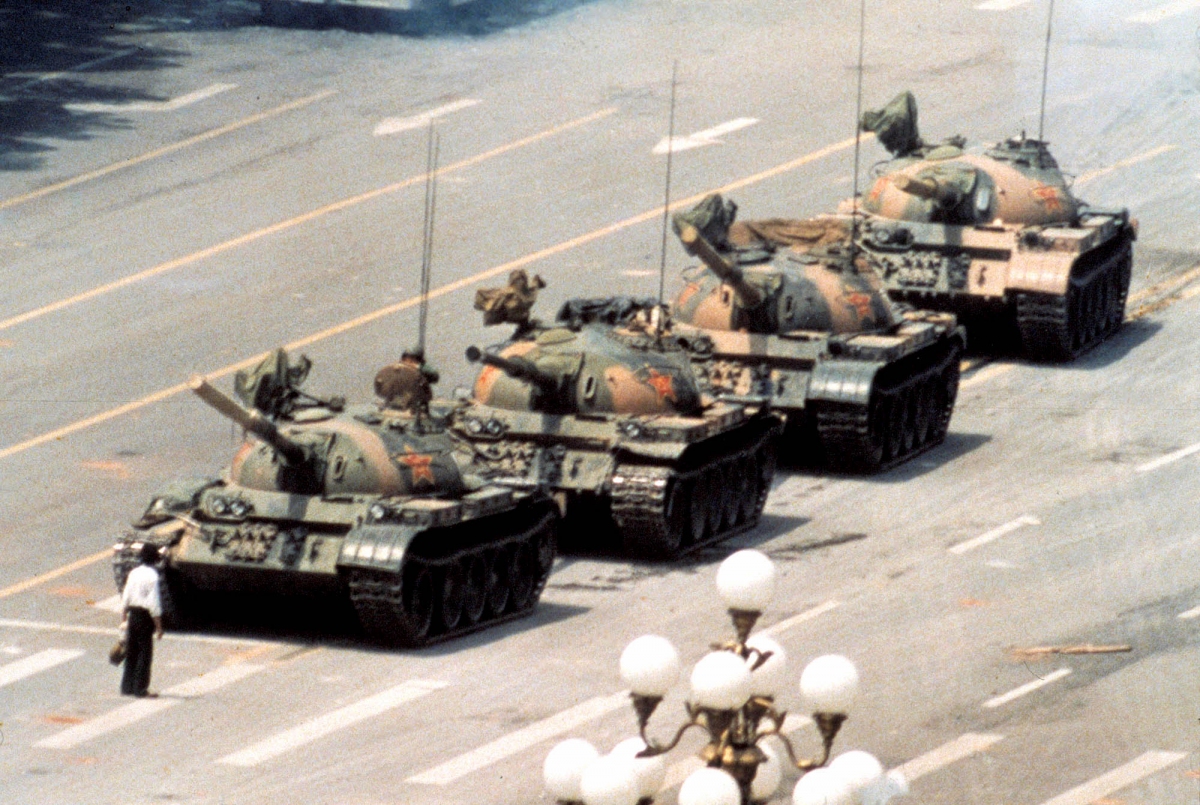
Liu Xiaobo, a well-known writer and literary critic, was first arrested for his involvement in the Tiananmen Square protests of 1989, for which he spent twenty months in prison. On 10/8/1996 he was arrested again, and sentenced to 3 years of "Reeducation through labor" at Beijing Qincheng Prison for participating in a pro-democracy movement.
In 2008, Liu worked with other dissidents and intellectuals to draft Charter 08. Issued on December 10, 2008, Charter 08 was an open letter initially signed by 303 Chinese citizens calling for broad legal and political reform, increased protection of human rights, and genuine democracy in China. On the evening of December 8, 2008, two days before the official release of Charter 08, Liu Xiaobo was taken from his home in Beijing by the police. After being detained for over a year without trial, Liu was finally tried on December 23, 2009, and on December 25th received a sentence of 11 years on charges of subversion.
On October 8, 2010, Liu Xiaobo was awarded the Nobel Peace Prize for his decades of work on behalf of human rights in China. He remains imprisoned in Jinzhou Prison in Liaoning Province.

Shi Tao (师涛)
Arrested on 11/23/2004 and sentenced to 10 years in the Office of National Security Detention Center for "Revealing state secrets to foreign entities".
On April 20, 2004, Shi attended a staff meeting at the Contemporary Business News where the contents of a Chinese Communist Party (CCP) Central Propaganda Bureau document about security concerns were discussed. That evening, from his office, Shi used his personal Yahoo! e-mail account to send his notes about this meeting to the New York-based Web site Democracy Forum. China's national security bureau contacted Internet company Yahoo! Hong Kong Holdings Ltd to provide Shi's email records. Yahoo! revealed Shi's identity and the recipients of his emails overseas. Shi was detained on November 24, 2004 and tried for "illegally providing state secrets overseas" under Article 111 of the People's Republic of China (PRC) Criminal Law on April 27, 2005.
Ngawang Sangdrol (阿旺桑珠)
Arrested in 6/1992 and sentenced to 11 years in the Tibetan Delapuqi Prison for "inciting counter-revolutionary propaganda".
Ngawang Sangdrol, a Tibetan Buddhist nun, was first arrested at the age of twelve for participating in a peaceful, pro-independence demonstration in Lhasa in 1990. She was detained for nine months. Two years later, she was arrested again for staging a pro-independence demonstration in central Lhasa. This time, she was sentenced to three years in prison. In 1993, her sentence was extended to nine years after she and fourteen other nuns were caught composing and recording pro-independence songs while inside the Laogai. In 1996, her prison term was extended once again to seventeen years for refusing to stand when Party officials entered her work area. In May of 1998, officials added a further six years to her sentence after a protest erupted in the prison, despite the fact that she had been locked in her cell at the time. Due to international pressure, and in particular the diligent advocacy of the Dui Hua Foundation, Sangdrol was granted medical parole by the Chinese authorities and came to the United States on March 28, 2003 after spending eleven years behind bars.